Social Media must be Legislated
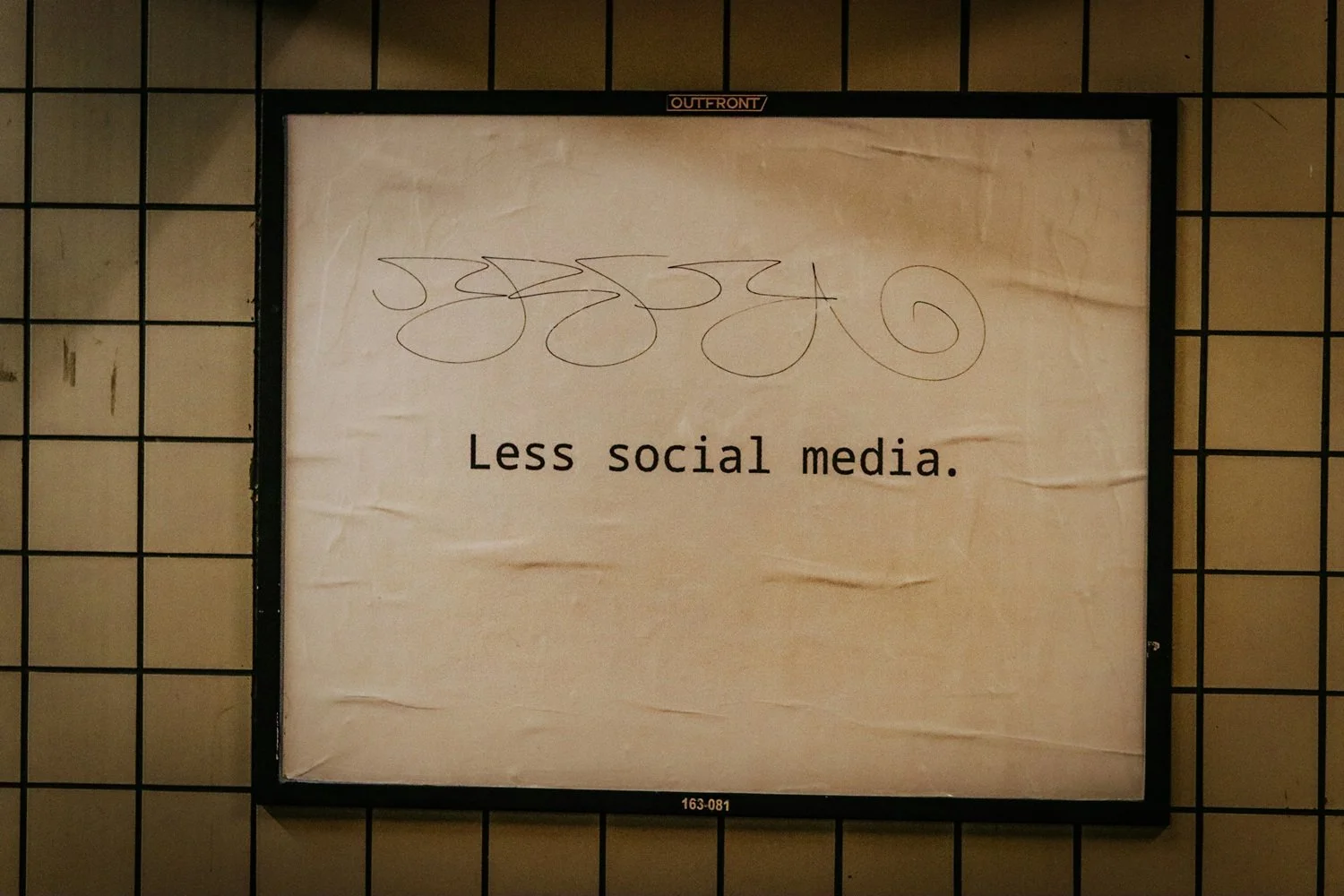
Social media is not a harmless, everyday product. These platforms have been designed to shape how people think, interact, and understand the world. Yet they operate with fewer safeguards than industries that pose far less risk. A system that can amplify harassment, misinformation, and harmful content to millions should not be given a free pass simply because it is widely used and can afford a murder of expensive lawyers.
We, society, know how to handle risk in other areas of life. We don’t allow unsafe cars onto the road and tell drivers to “be careful”. Vehicles must meet strict safety standards, pass inspections, and can be recalled if faults emerge. Medicines are not sold freely without testing, dosage controls and regulatory approval. Even food producers must meet hygiene standards before their products reach the public. In each case, society accepts a simple principle – if something can cause widespread harm, it must be subject to careful regulation.
Social media, along with illegal drugs, has escaped that principle. Its harms are less visible than a car crash, but no less real. Algorithmic amplification can push extreme content, harassment can be coordinated and relentless and young users are often exposed to material they are not equipped to process. These are not edge cases - they are built into how the platforms function.
I recently read a BBC article - Meta and TikTok let harmful content rise after evidence outrage drove engagement, say whistleblowers.
“The algorithm offered content creators a "path that maximizes profits at the expense of their audience's wellbeing.”
Let’s be honest, none of us should be shocked. If environmental protection legislation were as feeble as the legislation governing social media, companies would dump their used sh!t everywhere. Whether it’s nicotine companies, polluters or social media platforms, their goal is to maximise profits and get societies to clean up their mess.
Some Governments are beginning to catch up, and they are being fought tooth and nail by the platforms using their obscene profits. The UK’s Online Safety Act imposes legal duties on platforms to reduce exposure to illegal and harmful content, particularly for children. Australia has gone further, introducing minimum-age rules for social media, with enforcement measures that place responsibility on the platforms themselves. The BBC recently reported on how these changes reflect growing concern that leaving safety to companies has not worked.
But legislation is still uneven, incomplete and largely reactive. It is being written after years of damage rather than before. That puts users, especially younger ones, in the position of being test subjects in a live experiment. No other high-impact product would be allowed to scale globally under those conditions.
The comparison to other industries is not rhetorical. We ground planes until faults are fixed. We recall defective products. We shut down unsafe buildings. In each case, inconvenience is accepted because safety comes first. Social media, by contrast, continues operating while its risks are debated. Zuckerberg and co can be dragged into the US Congress’s spotlight, but nothing happens, especially under Trump-like Governments which abound.
Until proper, enforceable standards are in place – standards that address design, accountability, age protections and harm minimisation – the ethical stance is to avoid using the platforms. I refuse to use them.
Ask yourself this question – if you knew your favourite restaurant abused its employees, would you keep going?
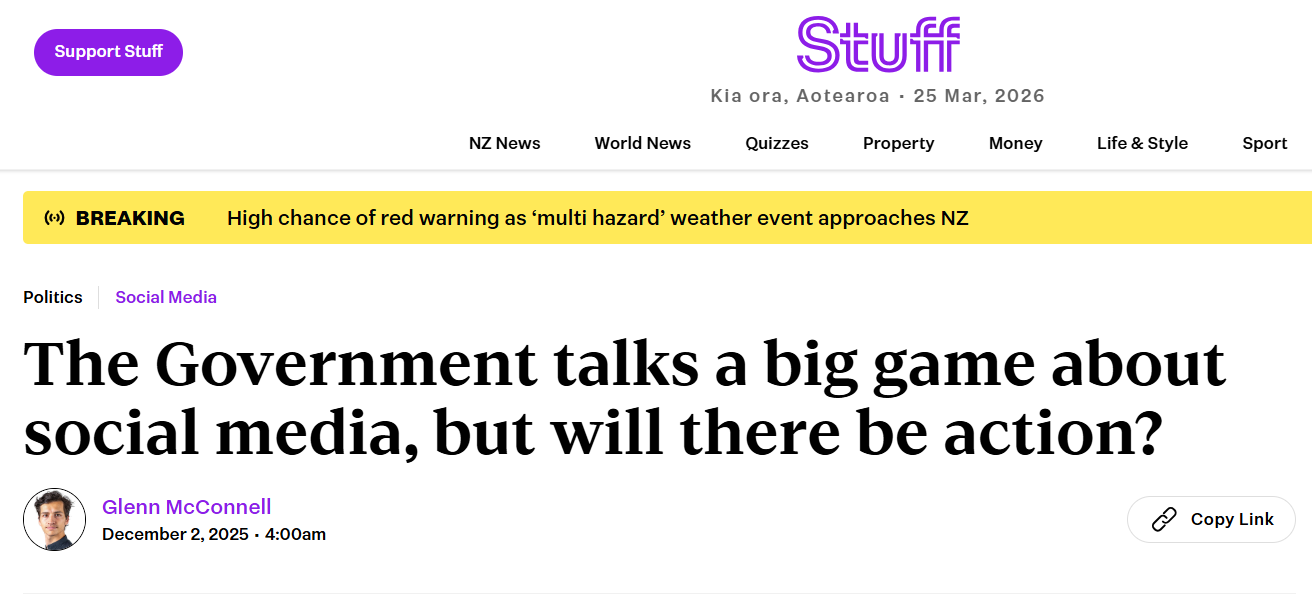
The current New Zealand Government is, like the media has reported, talking a big game - but will anything change? As a citizen you do have power (what is often termed agency). You can write to your MP and ask what they intend to do about making Social Media safe.
I’m often asked whether my campaigning (notably against the Public Lending Right) will make a difference. Maybe. Maybe not. But what it does stop is the minister being able to stand up in Parliament and say, “I’ve received no complaints about social media.”