NZSIS vs GCSB: Who Are They and What Powers Do They Have in New Zealand?

Photo by Chris Yang on Unsplash
If you've read a political thriller set in New Zealand (one of mine, for example), you've probably come across references to the New Zealand Security Intelligence Service (NZSIS) or the Government Communications Security Bureau (GCSB). Their names are often used interchangeably and they are frequently portrayed as shadowy organisations operating behind the scenes, collecting intelligence and protecting national security.
But who are they really? What powers do they have? And how much do they affect everyday life in New Zealand?
While researching my novels, I've spent time understanding how New Zealand's intelligence community operates. As with any political thriller, the challenge is separating Hollywood myth from reality.
Two Agencies, Different Roles
Although they are often mentioned together, the NZSIS and the GCSB perform quite different functions.
The NZSIS is New Zealand's domestic intelligence and security agency. Its role is to identify and investigate threats to New Zealand's national security. These threats include:
Terrorism
Espionage
Foreign interference
Violent extremism
Activities that threaten New Zealand's democratic institutions
Unlike the Police, the NZSIS is not primarily concerned with investigating ordinary crime. Instead, it focuses on gathering intelligence that helps the Government understand and respond to security threats before crimes occur.
The GCSB has a different focus. It specialises in signals intelligence, cyber security and information assurance. In simple terms, the Bureau helps protect New Zealand's communications and information systems while also collecting foreign intelligence through electronic means.
The GCSB works extensively in cyber security, assisting government agencies and organisations responsible for New Zealand's critical infrastructure. Its responsibilities have grown significantly as cyber attacks have become more common and sophisticated.
What Powers Do They Have?
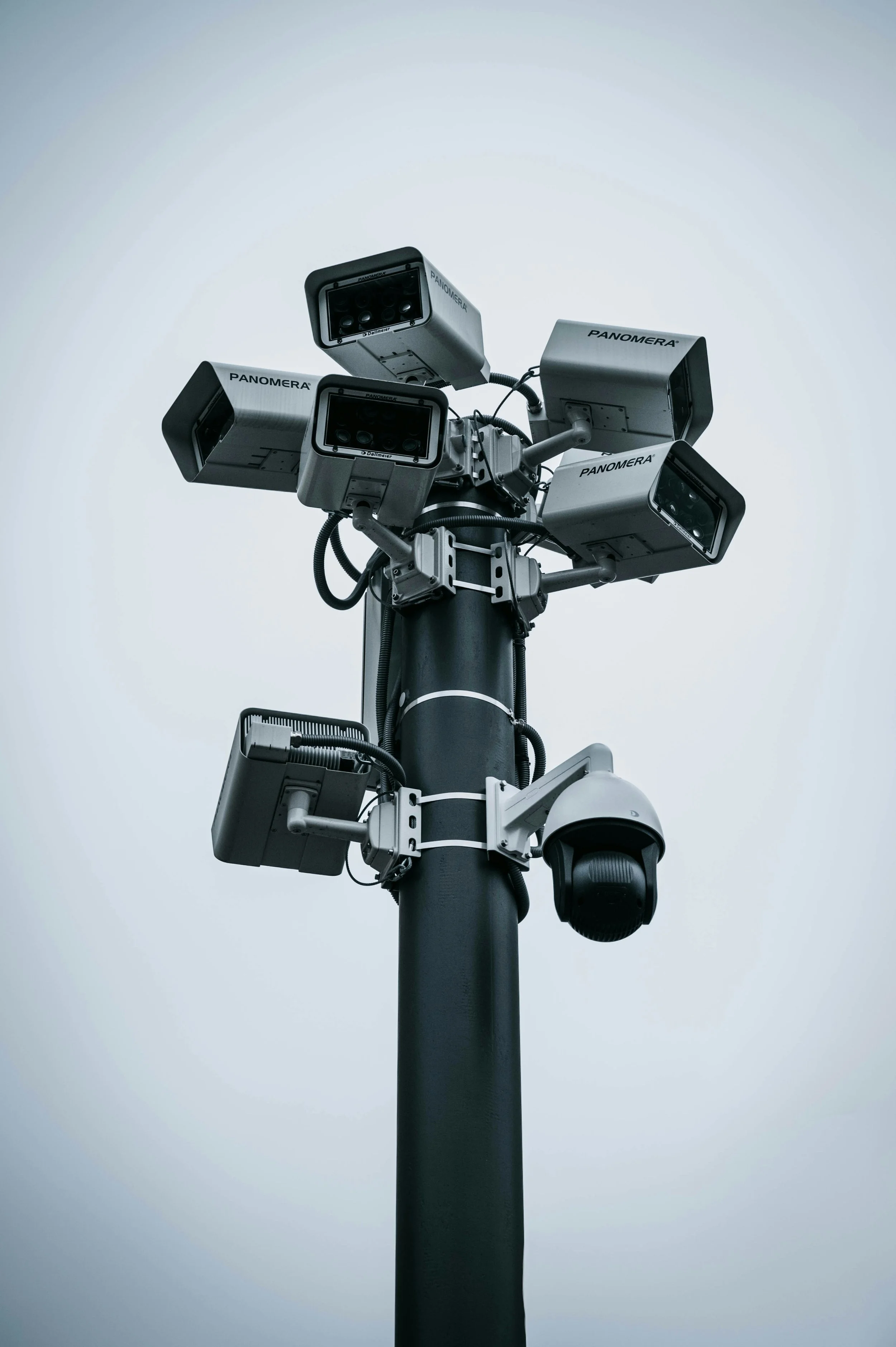
Photo by Milan Malkomes on Unsplash
Neither the NZSIS nor the GCSB has the powers of a police force. If intelligence suggests criminal offending has occurred, it may be passed to agencies such as New Zealand Police or other appropriate authorities.
Both agencies operate under the Intelligence and Security Act 2017, which gives them significant powers, but those powers are not unlimited. Depending on the circumstances and the appropriate legal authorisations, the agencies may be able to:
Gather intelligence relevant to national security.
Use surveillance techniques in authorised investigations.
Access certain communications or electronic information where legally permitted.
Work with overseas intelligence partners.
Assist other New Zealand agencies in protecting national security.
Many of their intrusive powers require an Intelligence Warrant. These warrants involve multiple levels of approval and oversight, recognising the balance between national security and individual rights.
Type 1 Intelligence Warrant
This is used when the activity directly relates to:
A New Zealand citizen, or
A New Zealand permanent resident.
A Type 1 warrant must be approved by both:
The Minister responsible for the intelligence agency, and
A Commissioner of Intelligence Warrants (a retired High Court judge or serving judge appointed to the role).
Type 2 Intelligence Warrant
This is used when the target is not a New Zealand citizen or permanent resident and can be issued by the responsible Minister alone.
The warrant authorises specific activities that would otherwise be unlawful, including:
Intercepting communications (phone calls, emails and messages).
Conducting surveillance.
Searching premises.
Entering private property.
Searching computers and electronic devices.
Installing or using surveillance devices.
Collecting documents or other intelligence.
Using covert or assumed identities in some circumstances.
The warrant is tailored to the operation. It doesn't automatically grant every available power.
Who Watches the Watchers?
Several mechanisms exist to provide oversight and accountability. The Inspector-General of Intelligence and Security independently reviews the legality and propriety of the agencies' activities. Parliament also maintains oversight through the Intelligence and Security Committee. In addition, the agencies are subject to legislation governing privacy, human rights and the lawful exercise of their powers.
No oversight system is perfect, and debates continue about where the balance should lie between security and privacy. Those debates are an important part of any healthy democracy, and governments around the world continue to grapple with where the appropriate balance should be struck.
For me, the key point is that intelligence agencies exist to serve their citizens and should never be turned into a force used against those same citizens. History provides plenty of examples of governments stepping over that line, which is why democratic oversight matters.
Researching My Novels
Good political fiction depends on believable institutions. When writing, I want the intelligence aspects of the story to feel authentic, even though my books are fiction and set in the near future. An engaging plot is more important than pedantically sticking to what is "meant" to happen.
I haven't asked either the NZSIS or the GCSB for a tour of their facilities, or to speak to someone about how they operate. I expect those requests would never be granted for obvious reasons. Instead, I focus on understanding their responsibilities, their legal powers and the constraints under which they operate.
I write fiction to encourage readers to ask questions for themselves, such as:
How much surveillance is acceptable?
How should intelligence agencies be supervised?
What safeguards should exist to protect civil liberties?
How should governments balance openness with secrecy?
There are no simple answers, but it is important that citizens remain engaged and maintain control over how these agencies operate in Aotearoa New Zealand. As technology continues to reshape society, those questions are likely to become even more significant. For writers of political fiction, they provide fertile ground for storytelling.
Further Reading
If you're interested in the themes explored here, you might also enjoy reading about the real events that inspired The Target, including New Zealand's unsolved Trades Hall bombing, and the research behind the novel.
Phil Pennington of Radio New Zealand keeps an excellent watch on developments in this area. Recently, he wrote about the Police seeking expanded surveillance powers and the debate surrounding those proposals - Police powers law to be tweaked, implementation delayed