Journalism not Press Releases! The Media’s Role in a Democracy
“In order to tell the truth you must know the truth.”
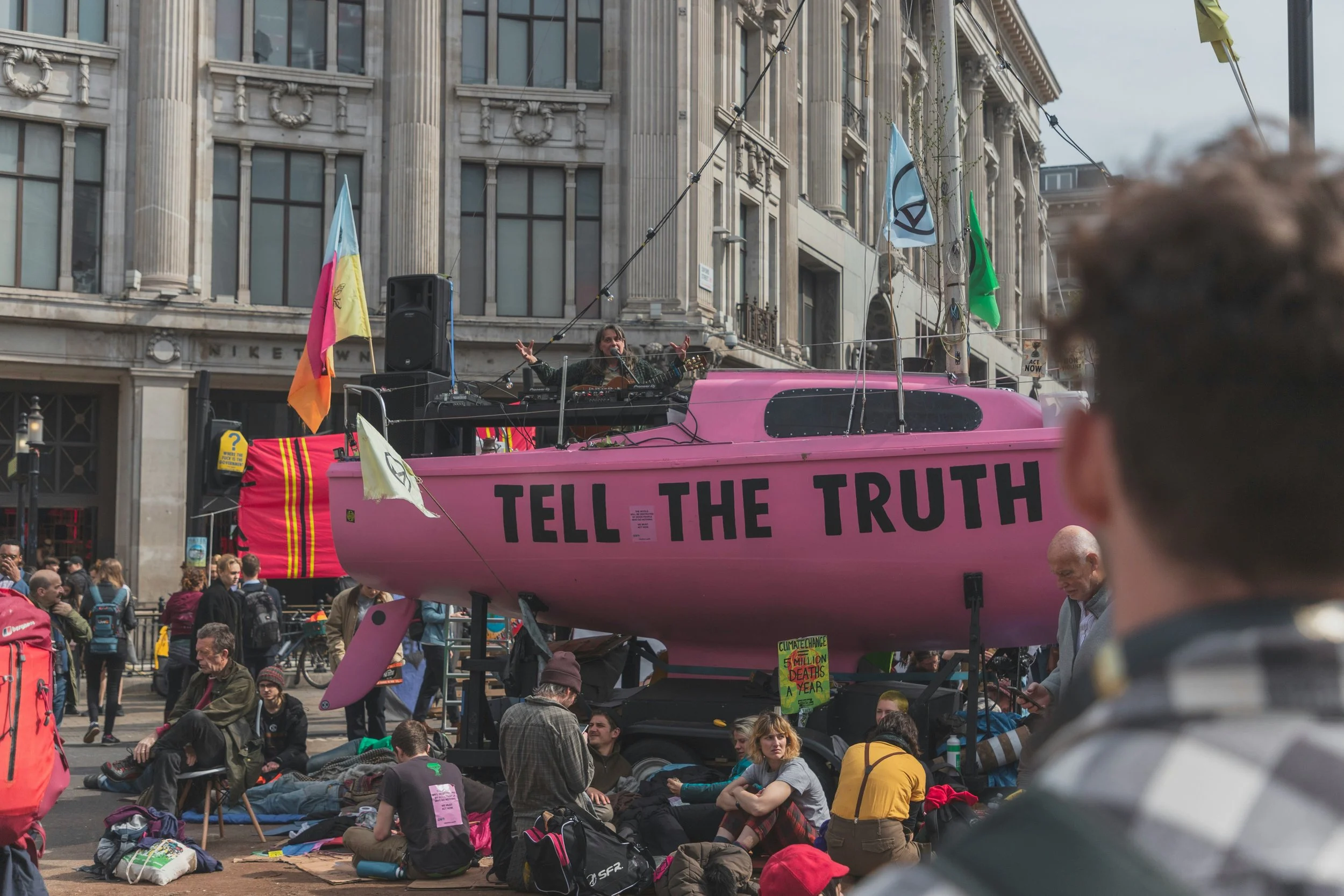
Photo by Joël de Vriend on Unsplash
In any functioning democracy, the media play a vital watchdog role. Their purpose is not merely to pass along official statements but to question, analyse, and test them against the facts. When journalists act as a megaphone for government or corporate announcements, the public receives spin and democracy is weakened.
The problem is not that journalists lack integrity or curiosity, but that the New Zealand media system no longer allows sufficient time and resources for investigative journalism. Newsrooms have shrunk dramatically, with fewer reporters expected to cover more stories across print, radio, television, and digital platforms. The pace of the news cycle rewards speed over depth, leaving little room for the slow, painstaking work of investigation. This is not a failure of individual journalists; it is the result of a media environment shaped by commercial pressures and shrinking budgets - conditions that make repeating official lines the path of least resistance.
In New Zealand, this tension is not new. Successive governments have relied on carefully managed press conferences, pre-packaged soundbites, and “no surprises” policies designed to maintain control of the narrative. Too often, mainstream outlets publish these lines with little scrutiny, especially under the pressure of reduced newsroom staff and tight deadlines. The danger to democracy is obvious: if the media repeats rather than critiques, it becomes part of the machinery rather than a check on it.
A recent example is the coverage of Treasury’s Long-term Insights Briefing. Reporters largely relayed the document’s forecasts and framing without probing the underlying assumptions. Much of the economic analysis was presented as neutral fact, yet it rested on the orthodoxies of traditional economists—faith in growth, productivity, and market-led solutions. Few asked whether these ideas remain fit for purpose in a world facing, for example, climate disruption, widening inequality, and a housing market that locks out younger generations.
By failing to interrogate these underlying frameworks, the media misses its broader democratic responsibility: to broaden debate rather than narrow it. Public understanding is shaped not just by what is said but by what goes unchallenged. If the assumptions of mainstream economics are treated as settled wisdom, alternative approaches - such as wellbeing economics, te ao Māori perspectives, or Modern Monetary Theory - are crowded out. A genuinely democratic media landscape would make space for these voices and force officialdom to justify why its default settings should prevail.
Critique does not mean hostility. It means applying professional scepticism. If a minister claims new funding will “transform” a service, reporters should ask: how much of the funding is new money, how will it be spent, and who says it will make a difference? If police or security agencies issue a warning, journalists need to ask what evidence underpins it, what limits exist on state power, and whether civil liberties are at stake. Just consider what emerges from the current American administration where at least half the media simply repeat it as though it is gospel.
New Zealand’s small media market makes this responsibility even greater. With fewer outlets and a shrinking pool of investigative journalists, every unchallenged announcement carries more weight. At its best, however, our media shows how critique can strengthen democracy. Investigations into: migrant exploitation linked to Green MP Darleen Tana, Gisborne’s forestry-slash environmental disaster and Air New Zealand’s servicing of Saudi military planes have gone well beyond official lines to hold institutions to account.
The task is not easy. Journalists face increasing financial pressures, online abuse, and political pushback. But the principle remains: democracy depends on a media that asks uncomfortable questions and resists the temptation to publish “churnalism”. Citizens do not need the government’s voice repeated; they need it tested, explained and, where necessary, challenged.
The fact that the majority of journalists have no idea how the economy works is a problem. In order to tell the truth you must know the truth. I’ll finish with a Mark Twain quote which I think sums up where we, society that is, are current at.
“It ain’t what you don’t know that gets you into trouble. It’s what you know for sure that just ain’t so.”
A scene from 1543
Reporter: Just so I’ve got this right you’re claiming the Earth goes round the Sun?
Copernicus: Correct. That’s what the evidence shows.
Reporter: Interesting. The official position, as you know, is that the Sun goes round the Earth. It rises, it sets - we all see it. Authorities have been consistent about this.
Copernicus: Authorities can be wrong. The data points the other way.
Reporter: We’ll include your comments for balance. But to be fair, the Government, the church and most ordinary people are confident the Sun revolves around us - that’s the line we’ll be leading with.
Copernicus: But that’s not the truth. Would you like to see the evidence for yourself.
Reporter: A bit technical for me, Nico, and if I write “Earth spins around invisible axis”, they'll put me away ... or worse. "Sun moves across sky” is less controversial. I’ll quote you towards the end of the article, but we'll stick with the status quo.